
Buy to Let Guide
Understanding Buy to Let Mortgages
Buying a property to rent out involves different mortgage, affordability, tax and legal considerations from buying your own home.
Understanding rental calculations, deposits, ownership structures and lender requirements before committing to a property helps you assess whether an investment fits your plans.
What Is Buy to Let?
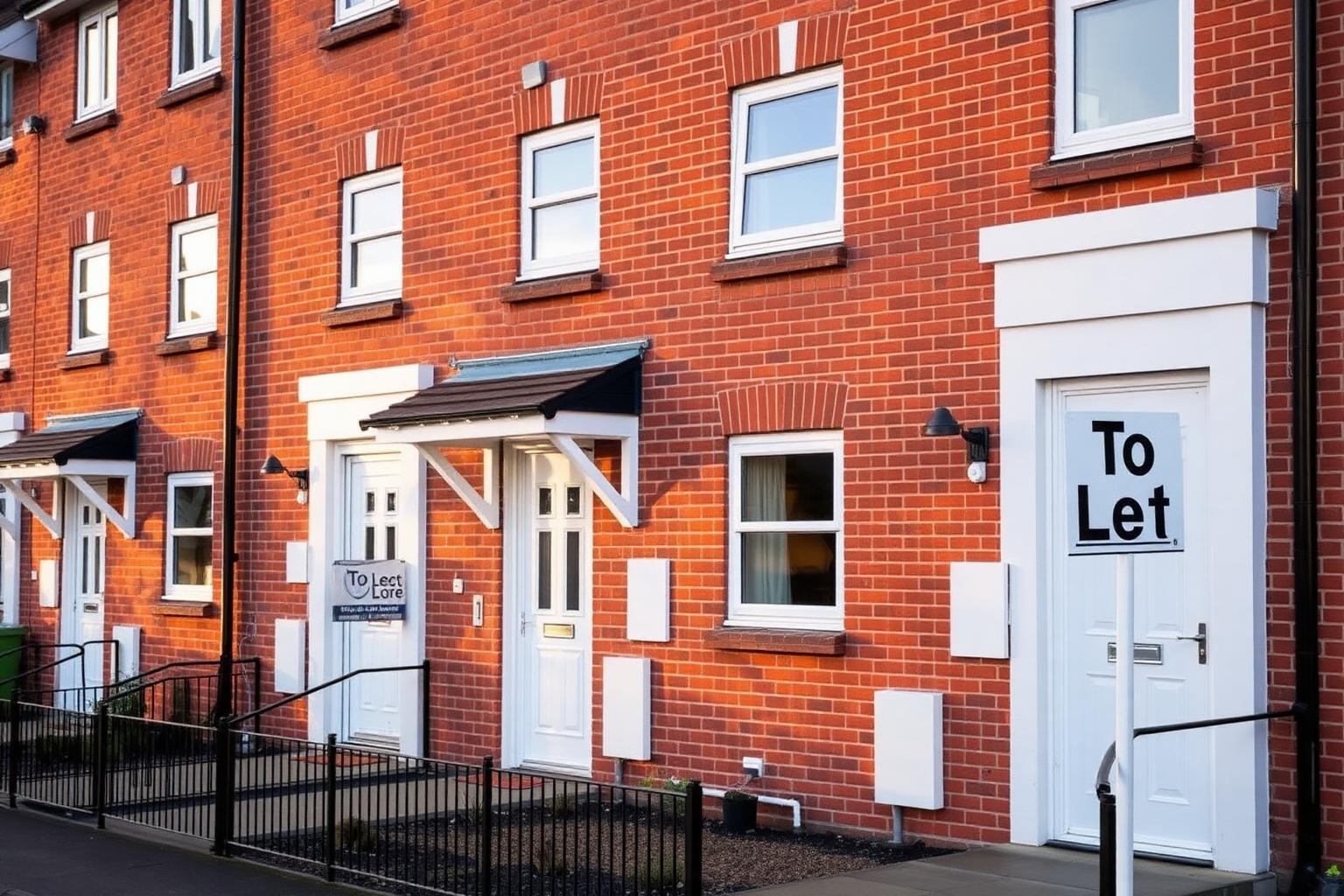
A Buy to Let mortgage is designed for a property that will normally be rented to tenants rather than occupied by the borrower as their main home. Because the property is an investment rather than your residence, lender criteria differ from residential mortgages — the assessment is usually driven by the expected rental income, the size of your deposit and the type of property, rather than by your salary alone.
Many Buy to Let mortgages are not regulated in the same way as residential mortgages, while some circumstances fall within regulated or consumer Buy to Let rules. Whether regulation applies depends on your situation, which a broker can explain.
Who Uses Buy to Let Mortgages?
Experienced landlords
Portfolio landlords
Individual investors
Joint investors
Limited company investors
Existing landlords remortgaging
Investors raising capital from existing property
Buy to Let can suit UK residents and, in some cases, UK expats purchasing from overseas, although expat applications often involve a smaller pool of lenders and additional requirements.
How Buy to Let Affordability Works
Instead of basing the loan mainly on your salary, many lenders assess whether the expected rental income is sufficient against the mortgage payment using their own calculation — often called rental stress testing or an interest coverage calculation. In simple terms, the rent usually needs to cover the mortgage payment by a margin that the lender sets, calculated at an interest rate the lender chooses for the test.
The calculation might depend on:
- Expected monthly rent
- Mortgage balance
- Interest rate used by the lender
- Applicant tax position
- Mortgage product
- Property type
- Ownership structure
Lender requirements and the percentages they use change over time, so rental calculations are worked out case by case rather than quoted as fixed figures.
Buying Personally or Through a Limited Company?
Investors often consider whether to purchase in their personal name, jointly with someone else, or through a limited company — often a Special Purpose Vehicle (SPV) set up specifically to hold and let property.
Personal Name
Buying as an individual is the most straightforward route, with the widest choice of lenders and products for many property types.
Jointly
Couples and investment partners can purchase together, combining deposits and sharing ownership, with both applicants assessed by the lender.
Limited Company / SPV
Some landlords buy through a company structure. Mortgage availability, rates, fees and lender choice differ from personal applications.
Important
Mortgage availability, rates, fees, taxation and administration differ between ownership structures. We do not provide tax advice. Speak with a qualified tax adviser or accountant about the tax implications of different ownership structures before purchasing.
How Much Deposit Will You Need?
Buy to Let mortgages commonly require a larger deposit than many residential mortgages. There is no single minimum that applies to every application: loan to value limits depend on the lender, the property, expected rental income, your borrower profile and the type of mortgage you choose.
A larger deposit can sometimes open up a wider choice of lenders or products, but the right structure depends on the rental figures and your plans — which is why the numbers are reviewed together before you commit to a property.
What Property Types Can Be Financed?
Standard houses and flats
New build properties
HMOs
Multi unit properties
Student lets
Holiday lets
Properties above commercial premises
Limited company purchases
Specialist property types — such as HMOs, holiday lets and multi unit properties — may require specialist lending criteria and are not available from every lender.
Landlord Document Checklist
Having your documents ready helps your broker understand your circumstances and compare your options. Exact requirements vary between lenders and individual applications, but you should expect to provide some or all of the following.
- Valid passport
- Driving licence where applicable
Already Own Rental Property?
Existing landlords review their Buy to Let finance for many reasons:
- Existing deal ending
- Property value changed
- Rental income changed
- Portfolio expansion
- Capital raising
- Changing ownership structure
- Refurbishment
- Reviewing mortgage term
- Moving lender
Refinancing does not always produce a financial benefit. The costs, early repayment charges and rental figures should all be reviewed before making changes.
Portfolio Landlords
Landlords with several mortgaged properties may find that lenders request additional information about the whole portfolio, not just the property being financed. Possible requirements include:
- Portfolio schedule
- Mortgage balances
- Monthly rents
- Property values
- Monthly mortgage payments
- Ownership details
Keeping an up-to-date portfolio schedule makes applications smoother and helps your broker identify lenders comfortable with the size and shape of your portfolio.
The Buy to Let Process
- 1
Establish investment objectives
- 2
Consider ownership structure
- 3
Review deposit
- 4
Assess expected rent
- 5
Review mortgage options
- 6
Obtain an Agreement in Principle where appropriate
- 7
Find property
- 8
Submit application
- 9
Lender obtains valuation and rental assessment
- 10
Underwriting
- 11
Legal work
- 12
Completion
- 13
Prepare property for letting
Costs Landlords Should Budget For
The deposit and mortgage payment are only part of the picture. Possible costs include:
Deposit
Mortgage fees
Valuation
Legal fees
Property taxation
Insurance
Letting agent fees
Maintenance
Service charges
Ground rent where applicable
Licensing where applicable
Void periods
Taxation
Tax treatment depends on your circumstances and ownership structure and may change in the future. We do not provide tax advice — speak with a qualified tax adviser or accountant.
Buy to Let FAQs
Buy to Let mortgages commonly require a larger deposit than many residential mortgages, but there is no single minimum that applies to every case. Loan to value limits depend on the lender, the property, expected rental income, your borrower profile and the type of mortgage.
Discuss Your Investment Plans
Whether you are buying your first rental property or reviewing an existing portfolio, a conversation costs nothing. We will look at the rental figures, deposit, ownership structure and lender criteria with you.
Your home may be repossessed if you do not keep up repayments on your mortgage. Think carefully before securing other debts against your home. Many Buy to Let mortgages are not regulated by the Financial Conduct Authority.
This page is for general information only and does not constitute regulated financial advice.